Low Impact vs High Impact Exercise – What are the Differences?
Exercises or workouts offer different impacts on your body. So, when choosing aerobic exercises, it is important to understand the differences between low impact vs high impact exercise.
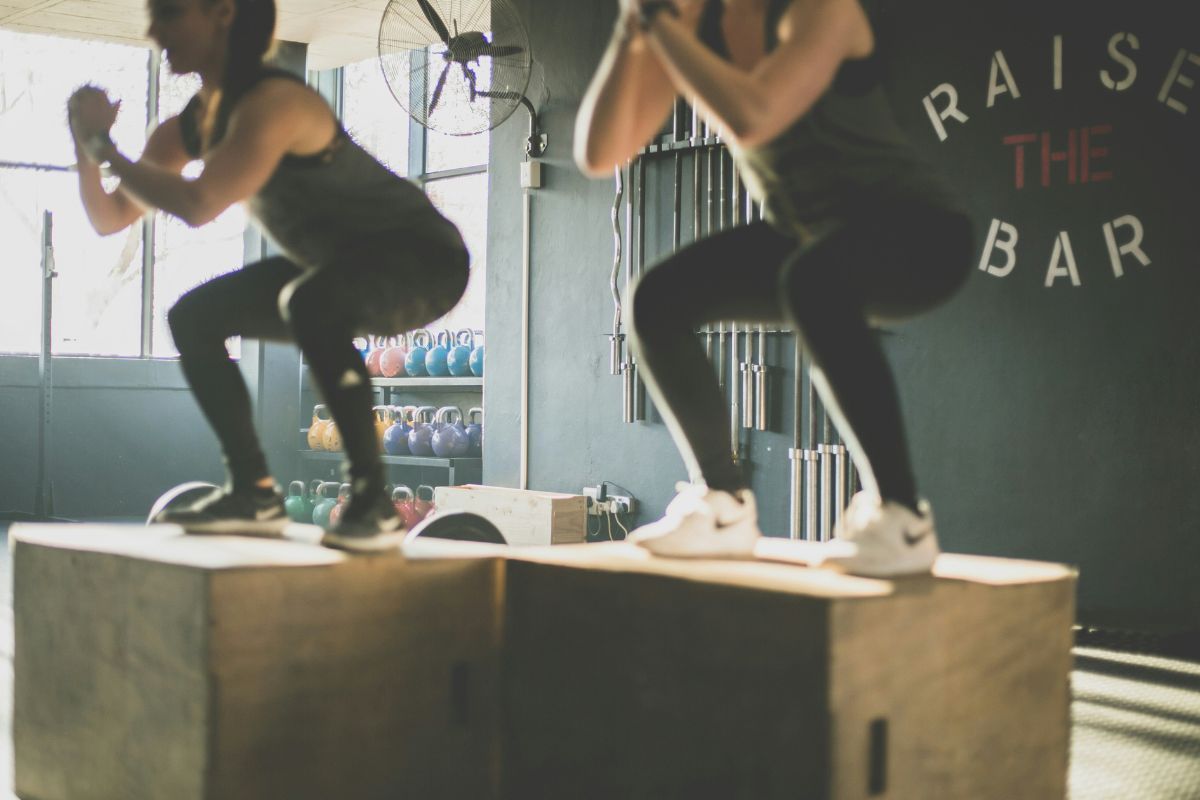
High impact exercises are harder on the body, helping more calorie burn and a few examples are running, tennis, box jumps, etc. On the other hand, low impact exercises are easier to do, assisting to recover from injury and common examples are cycling, yoga, hiking, etc.
Continue reading this guide and learn more about the high impact vs low impact exercises.
Low Impact vs High Impact Exercise – At a Glance
Find the comparison table to understand the difference between low impact and high impact exercises at a glance.
| Aspect | High Impact Exercise | Low Impact Exercise |
|---|---|---|
| Definition | Both feet leave the ground simultaneously, high energy. | At least one foot on ground, controlled movements. |
| Joint Pressure | Significant pressure on joints and bones. | Gentler on joints, less stress on body. |
| Calorie Burn | Burns more calories in a shorter duration. | May need a longer duration to burn calories. |
| Muscle Engagement | Engages entire body muscles. | Focuses on specific muscle groups, builds strength. |
| Suitability | Not for beginners, elders, or pregnant individuals. | Suitable for beginners, elders, pregnant, injured. |
| Examples | Running, jumping rope, box jumps, tennis. | Squats, cycling, yoga, walking, Pilates. |
| Benefits | Cardiovascular, bone health, faster calorie burn. | Flexibility, balance, active recovery, safer. |
| Drawbacks | Higher injury risk, harder on joints. | Slower calorie burn may require longer duration. |
| When to do | Burn calories fast, tough workouts, bone health. | Recovering from injury, easier on joints, balance. |
What is Low Impact Exercise?
You must be wondering, “are low impact exercises gentler on bodies?”
Yes, you are correct.
You will have to leave at least one foot off the ground with these moves. Moreover, jumping around is unnecessary and you will have to do controlled movements in these exercises.
Since low impact movements don’t engage your entire body muscles. In fact, the exercise takes full advantage of your motion and helps you build stronger muscles over time. However, the process will be easier on your body.
The best thing about low impact exercises is that you can do these in between your usual high impact movements. Also, these movements are beneficial if you are recovering from an injury, an elderly person or pregnant.
Some common low impact exercises are,
- Squats
- Cycling
- Yoga
- Pilates
- Spinning
- Walking
- Hiking
Benefits
- Safer and lower risk workouts
- Suitable for beginners, older person, injured people or pregnant
- Focus on developing flexibility
- Active recovery option for injured people
Drawbacks
- You may need longer duration to burn calories with low-impact movements
When or Why Should You Do Low Impact Exercises?
- Recovering from Injury: Did you experience bone or muscle injury in the past? If the answer is YES, low impact exercises are for you. Even if the injury is not related to bones or joints, you must do low impact activities. Keeping the activities low means faster recovery from injuries and you can move to high impact soon.
- Looking for Easier Exercises on Joints: If you are facing trouble on your joints by doing high-impact activities, it is time to start going slow. Thus, you are giving a break to your joints and putting less stress on your body.
- Want to Improve Balance and Alignment: There are some low impact activities which focus on alignment, balance and stretching rather than burning calories. Yoga and Pilates are such low impact movements which help to improve your balance and alignment.
What is High Impact Exercise?
High impact exercises are those that let you do workouts with high impact.
You will need to move your both feet off the ground simultaneously when doing high impact workouts. Moreover, these workouts will provide pressure on your joints. A lot more energy is required to do these fast-impact movements. Meaning that, you burn more calories with them.
If you want to build stronger muscles and improve endurance, high-impact exercise is for you.
Remember that these exercises are faster compared to low impact. As a result, patients with chronic joint pain, elders, or pregnant people mustn't try high-impact workouts.
A few examples of high impact exercises are,
- Running
- Jumping rope
- Box jumps
- Jumping jacks
- Skiing
- Tennis
- Gymnastics
Benefits
- Excellent for cardiovascular conditioning
- Efficient for burn calories
- Improves the health of your bone
- Slows natural bone loss
Drawbacks
- Harder on joints and bones which can lead to injury
- Unsuitable for older people
- Overuse may create pressure on tendons, ligaments and joints
Overall, high impact exercises are harder on the body and provide faster results.
When or Why Should You Do High Impact Exercises?
- Want to Burn Calories Faster: You require more energy to do high-impact movements. As a result, burning calories becomes faster. These movements let you burn the highest calories in a shorter duration since your entire body will move with them.
- You Love Tough Exercises: You must have already understood that high impact movements are tougher compared to low impact. It means, they will give you challenges and tough times when doing. That is why these are unsuitable for beginners. If you want to give your body the best shape while facing tough times, high impact activities are for you.
- Planning to Go on a Competition: Are you planning to perform in a fitness competition? High impact movements will help you prepare for the big matches. Even boxers, marathon players regularly perform high impact activities as it makes their body tough against hard impacts.
- Prefer Improving Bone Health and Density: A study showed that high impact exercises are good for bone health. The study found that regular high impact activities help bones and joints to withstand stress by making the bones strong. Signing up to some high impact activities will be great if your target is to boost your bone density.
- You have Low Injury Risk: As mentioned, high impact movements are harder on the body and can cause injury. So, if you have low injury risk, these exercises are for you.
Wrap Up
Low impact vs high impact exercise both have benefits of their own. You should consider your health before choosing one. Also, you can mix them to get the maximum of these exercises.
Are you looking for an expert review to plan your
personal workout program? Temple Fitness Franklin, TN has experienced fitness trainers offering service online and offline both. Schedule your session contacting us today.