How Many Squats Should I Do a Day?
Introduction
The ideal squat count is a range that can be adjusted. It depends on your body type and your personal objectives. Beginners should begin their training program with 10 to 20 squats. Advanced results require you to perform 50 to 100 squats or more.
Here in this article, we will learn more details about building the right squat routine for you. Start with small exercises and stay consistent until your strength improves.
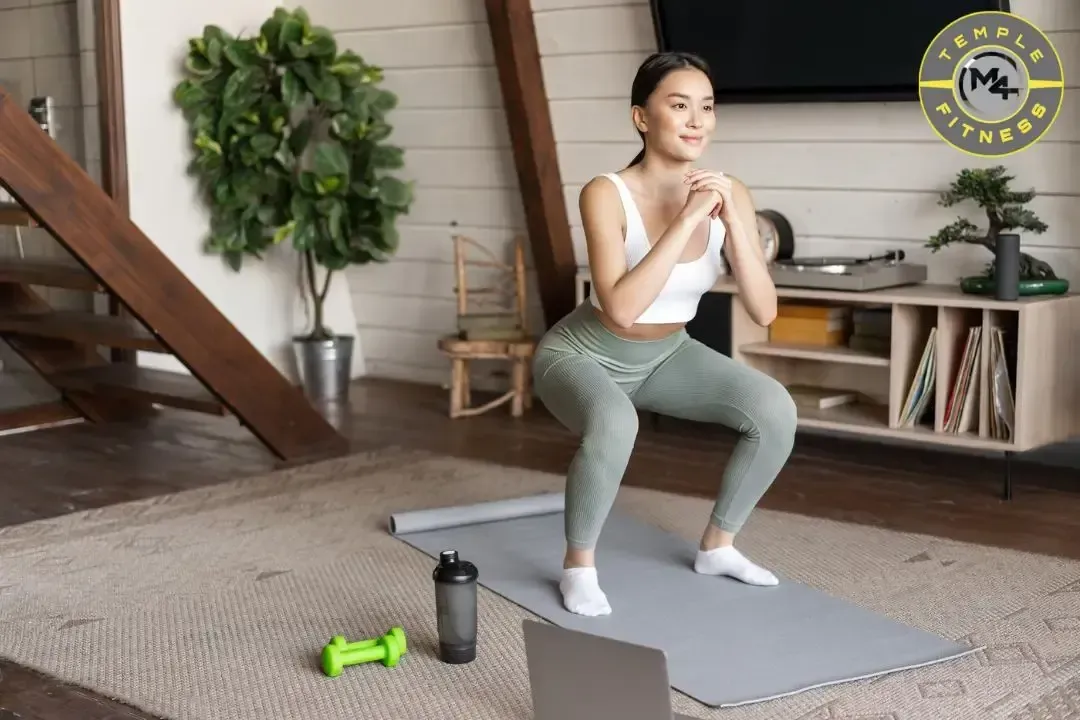
Ideal Squat Numbers Based on Fitness Goals
The exercise plan needs to be developed as a basic structure which you will be capable of executing. The user should practice their activities at a steady pace without attempting to complete them before their designated time. The process requires you to dedicate yourself to gradual improvements toward your purpose:
- Developing strength:
For strength building, the user should perform low-rep exercises that require their maximum physical capacity. The exercise program requires 3 to 5 sets, which should include 5 to 10 repetitions during each set and appropriate breaks.
- Muscle Building:
For muscle growth, the right balance needs to be found. The exercise program requires 3 to 4 sets, which should include 8 to 15 repetitions during each set.
- Increased Endurance:
For endurance, the individual should complete exercises that require repeated performance. The users should complete 2 to 3 sets, which should include 15 to 25 repetitions and maintain short breaks.
- General Fitness:
The individual needs to choose an exercise that matches their current physical abilities for general fitness needs. The exercise program needs 2 to 3 sets, which should contain 10 to 20 repetitions.
- Losing weight:
The participant needs to work out at greater intensity levels to achieve fat loss. The exercise program needs 3 to 4 sets, which should contain 15 to 20 repetitions. The combination of squats with cardio exercises can lead to better results.
Beginner Squat Routine for a Safe Start
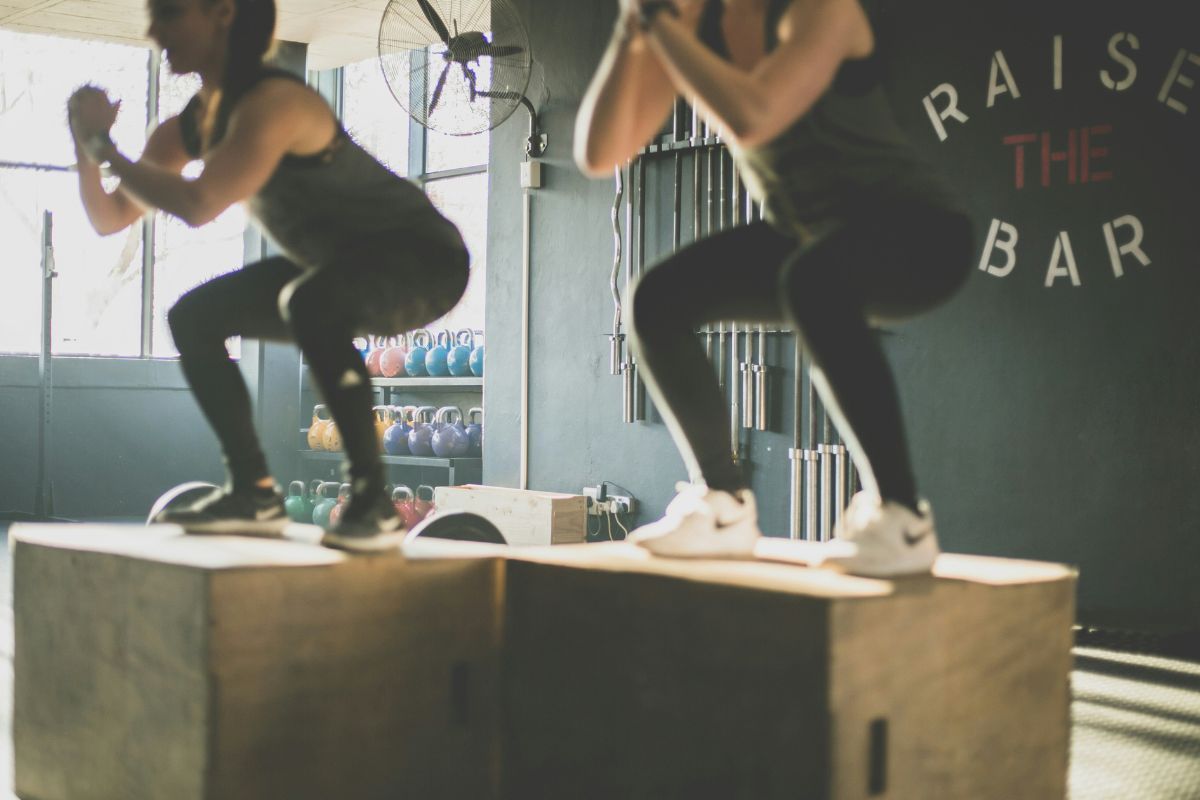
Your initial learning should follow a basic plan. Start with 10 to 15 squats maximum. You must complete them every day. Practice the exercises in one or two sets while keeping a straight posture. Execute your movements at a slow pace.
After your first week, try reaching for 20 squats. Make your next goal to perform 30 squats. Do not hurry, as your body requires sufficient time to complete its adjustment process. In Franklin, many beginners train at home or in parks.
You should stop all activities if you experience any pain. Muscle soreness is a normal experience, whereas sharp pain should be regarded as abnormal.
Daily Squat Practice and Its Impact on the Body
Daily squats will enhance your total fitness. The exercise develops strength in your leg muscles, glute muscles, and core muscles. Better balance and posture will become evident to you.
Squatting exercises allow individuals to burn calories during the activity. The exercise activates major muscle groups throughout the body and increases metabolism.
The body does not require daily squats as an essential exercise. Muscles require rest periods for proper growth. Your body will need time to recharge when you exercise intensely on a daily basis. It demands time to recover properly. When necessary, you must modify your routine.
Increasing Squat Reps Without Risk of Injury
To achieve safe progress, you need to implement a systematic method. It includes the following steps:
1. Increase slowly
You need to add 5 to 10 repetitions every week. Do not increase your total repetitions to double the amount on the following day.
2. Improve form first
You must achieve perfect technique before you start adding more repetitions and weight.
3. Use variations
You should try different squat variations, such as jump squats, pulse squats, and goblet squats.
4. Warm up properly
You must warm up your leg and hip muscles because this practice helps to decrease your chances of getting injured.
5. Stretch after workouts
Muscle stretching after exercise sessions helps to accelerate your muscle healing process.
6. Stay consistent
The most effective method for progress requires you to make small improvements every day instead of attempting intense work at a time.
The Role of Rest Days in Squat Progress
Both rest and exercise hold equal importance for maintaining health. Your muscles require rest periods. It enables them to repair and develop. Many Franklin fitness trainers recommend that their clients practice squat exercises on alternate days while doing other activities such as walking or yoga. The method allows your body to remain active while avoiding any physical strain.
If you are doing light squats, you can train daily. But for intense workouts, take at least 1–2 rest days per week. This prevents
overtraining.
Signs you need rest:
- Constant soreness
- Low energy
- Poor performance
Choosing the Best Time for Your Squat Routine
The optimal squat practice time needs to be determined based on your personal schedule. You can perform squats at any time between morning and evening. The essential requirement for success demands that you maintain daily practice at a specific time. You should select a time for your workout that is beneficial specifically for you.
The advantages of the morning and evening squat routines are different. Here are some examples:
| Time of Day | Benefits |
|---|---|
| Morning Workouts | 1. Boost energy for the day. |
| 2. Build a strong habit. | |
| 3. Great for consistency. | |
| Evening Workouts | Muscles are warmer. |
| Better strength performance. | |
| Good stress relief after work. |
Conclusion
Squats depend more on habitual practice than on numerical measurement. You should select a workout plan which you can perform every single day. Performing 10 proper squats represents a greater achievement than doing no squats at all. You should maintain consistent practice to develop your self-control abilities. Your results will become evident to others after a period of time. Always listen to your body and stay balanced for the best health state.
Frequently Asked Questions
Can squats reduce belly fat?
Yes, squats function as a dual-purpose exercise because they enable calorie burning. It leads to both muscle development and fat loss.
How long does it take to see squat results?
Most people see results in 3 to 6 weeks. You may notice stronger legs first. Visible changes take longer. It's important to be consistent and do things the right way.
Should I take breaks between squat days?
Intense workouts require rest periods because they are essential for muscle recovery. The muscles require rest days, which help them recover and grow. People can perform daily squats for their light exercise routines.